
Live Band vs. DJ: Pros and Cons for Your Wedding
One of the classic wedding entertainment dilemmas: band or DJ? Both can get the party started, but each offers a different vibe. If you’re torn between hiring a live band or a DJ for your reception, let’s break down the pros and cons of each (and even why some couples go for both!).
🎸 The Case for a Live Band:
Pros:
Unmatched Energy & Atmosphere: A live band brings electric energy into the room. There’s something about live vocals, instruments, and the interaction between band members that is just infectious. Guests feed off that energy – it’s like having a mini concert at your wedding! A great band can improvise, extend songs, or adjust tempo to match the crowd’s mood, creating a dynamic experience that a pre-set playlist can’t quite match. Many couples feel that live music creates a more authentic and exciting atmosphere than recorded tunes.
Visual Entertainment: Beyond just the sound, a band provides a show. Guests can watch the musicians, maybe enjoy a guitar solo, or interact with the singers. It gives folks something to look at – even non-dancers might tap their feet watching the drummer hit that finale.
Audience Interaction: Bands often act as emcees and can engage directly with the crowd. They might banter (“Alright, let’s hear you sing along to this one!”) or get everyone clapping during a classic song. That personal touch can make guests feel part of the performance.
Live Adaptations: Bands can put a unique spin on songs – maybe a cool mashup of hits or a special acoustic version of your favorite tune for the first dance. This means your music feel tailor-made. And if the dance floor is thin, a good band can switch gears on the fly, perhaps throwing in an impromptu upbeat song to lure people out. They’re essentially reading the room in real time.
Cons:
Cost: Generally, hiring a live band is more expensive than a single DJ. You’re paying for multiple professionals’ time and talent (and their equipment). As a rough idea, DJs might range from £800–£1,500+, while bands can start around £1,200 and go upward depending on size and fame. If you have your heart set on an 8-piece soul band with a horn section, be prepared that it will cost more than a one-person DJ setup.
Space & Logistics: Bands need space for their equipment and performances. Not every venue can comfortably fit a five-piece band plus speakers, drums, etc. They’ll also need time to load in gear and do a soundcheck. In a very intimate venue, a big band could feel cramped (and loud!). Always check what your venue can accommodate.
Repertoire Limits: Even the most versatile band has a finite list of songs they can perform flawlessly. They’ll cover a lot of popular dance hits, but they might not have every specific song you love. (Tip: Discuss must-haves in advance. Most bands will learn one or two special requests – like your first dance – if given time.) By contrast, a DJ can theoretically play any song ever recorded. So if you envision a very eclectic mix, ensure the band can cover it or provide recorded music during breaks for those extras.
Breaks: Bands typically play in sets (say 2 x 60 minutes or 3 x 40 minutes) and will need a short break or two. Live singing and playing is hard work! During breaks, you’ll need some filler music. Many bands offer an iPod playlist or DJ service for in-between, but it’s something to confirm so you don’t have awkward silence. A DJ, on the other hand, can often go straight through without stopping.
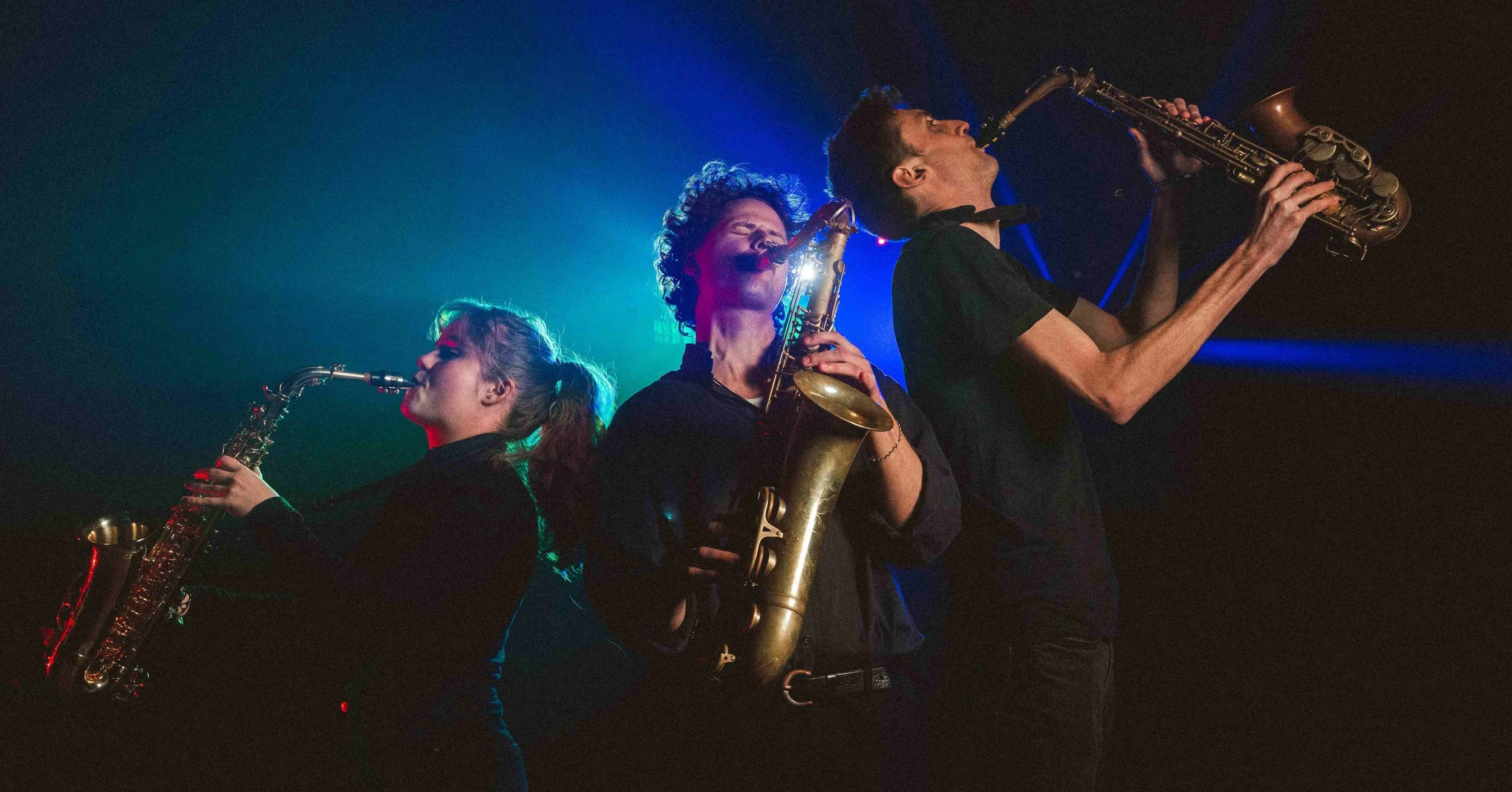
Sax Freak - High Row’s Most-Booked DJ & Sax Combo
🎧 The Case for a DJ:
Pros:
Broad Music Library: DJs can play literally any song as long as they have it downloaded or on streaming (assuming internet is available). That means from the latest TikTok hit, to your parents’ favorite ’70s funk tune, to that obscure indie song you request – it’s all possible. They can cater to diverse tastes and take requests on the fly with ease. If your crowd spans generations and you want a bit of everything, a DJ has you covered.
Smooth Transitions & Continuous Music: A skilled DJ will mix songs seamlessly, keeping the music continuous and the energy up. There’s no pause between tracks, so there’s less chance of losing people between songs. They can also adjust the order of songs in real time to respond to the crowd (much like a band reading the room). And of course, no breaks – the music keeps going all night with a DJ at the decks.
Lower Cost & Simpler Setup: Generally, a single DJ can be more budget-friendly than a multi-member band. Fewer people and less equipment typically mean a lower price tag. The setup is also simpler – a table for the gear and some speakers, and they’re good. This is great for smaller venues. DJs also usually only need an hour or less to set up/soundcheck, and they require less space (often just a 2m or 3m area). In fact, a DJ might only need around 100 square feet of space, whereas a band may require ~100 sq ft per musician – a big difference if your venue is tight on room.
Original Song Recordings: Some people love hearing the original artists and recordings – the exact version of the song they know. A DJ will play Ed Sheeran singing “Thinking Out Loud”, whereas a band will do their cover of it. If hearing that iconic voice or guitar riff exactly as it is on the album matters to you (or for certain specialty songs like cultural dances), a DJ makes that possible. Also, for songs that are hard to cover (say, electronic or rap songs), a DJ can drop the original track to satisfy the crowd.
Cons:
Less “Live” Excitement: Even with turntables spinning, a DJ is essentially one person behind a booth. There’s less to watch than with a live band. Great DJs do perform in their own way – through hype on the mic or cool scratching and mixing – but if you have a crowd that loves live concerts, the DJ might not captivate visually in the same way. Some guests might treat a DJ more like “background” and be shy to dance if there’s not a focal point on stage.
Predictability: Because you’re hearing tracks as they were recorded, there’s less spontaneity in how the music sounds. There won’t be unexpected sax solos or the singer jumping off stage to mingle. The element of surprise or unique renditions of songs isn’t really there (aside from creative mixing). For some, that’s totally fine; others might miss the one-of-a-kind feeling a band can provide.
Dependent on Equipment: DJs rely on their gear working and electricity. If the sound system has an issue, or there’s a technical glitch, it can halt the party (though pros will have backups). While bands also use PA systems, a DJ is nothing but his equipment and music files. There’s also a chance – albeit very small with professionals – of a laptop crash or a speaker blowing out. Always hire a reputable DJ who has backup plans for tech failures.
DJ’s Skill Varies: Mixing music is an art. A less skilled DJ might do abrupt song changes or play music that doesn’t quite fit the crowd, which can kill the mood. Ensuring you have a good DJ is crucial – one who can read the crowd, beat-match songs, and keep energy flowing. In contrast, even if a band’s setlist isn’t perfectly aligned, the novelty of live music often still keeps people engaged. With a DJ, it’s really about their song choices and mixing talent in the moment.
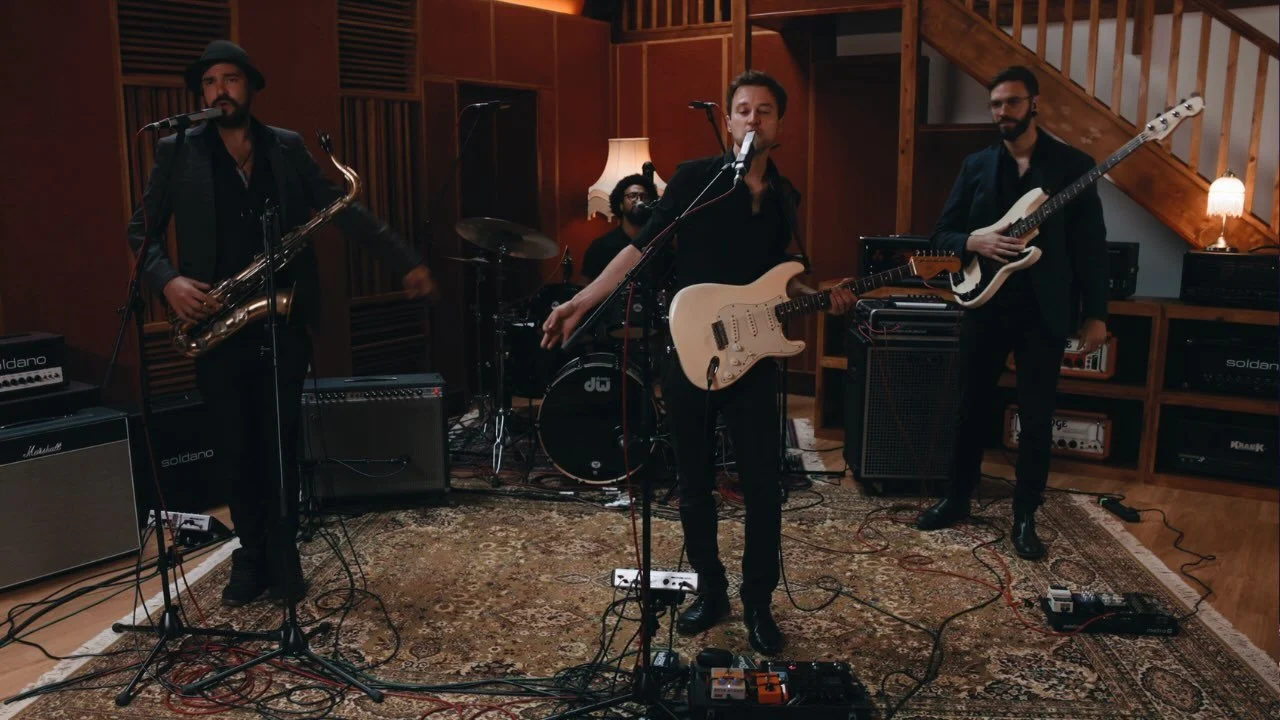
No Rest For The Funk - High Row’s Most-Booked Funk Band
Why Not Both?
Can’t decide? Some couples opt for both a live band and a DJ. This can happen in a few ways:
Band for Early, DJ for Late: Have a live band play during the earlier part of the reception (say, after dinner through 10pm), then switch to a DJ for the late-night afterparty vibes. This gives you the best of both worlds – live music for the main celebration and endless tracks for the after-hours dance session. It’s also handy if your band has a set time they must finish (some venues require live music to stop by a certain hour, but a DJ at low volume could potentially go later).
Band + DJ Together (Hybrid): A hot trend is hiring a DJ who performs alongside live musicians – for example, a DJ playing tracks while a saxophonist or percussionist jams along with the music. Picture this: a DJ drops a popular house track, and a live sax player wails on the dance floor, weaving through the crowd. It creates a super high-energy, club-like experience. In fact, many couples are embracing this hybrid approach as a “best of both” – it’s noted as one of the hottest trends, keeping the energy high with something few guests have seen before. You could also have, say, an electric violinist or bongo drummer join the DJ for certain sets. It adds a live-performance element without the full cost of a large band.
Different Music for Different Moments: Another combo approach is to use live musicians for certain parts of the day and a DJ for others. For example, hire a string quartet or acoustic duo for your ceremony and cocktail hour, then have a DJ run the evening reception. Or maybe a gospel choir at the ceremony and a DJ later. Using specialized talent at each stage can create perfect atmospheres (we’ll talk more about mixing and matching in other posts).
Decision Time – What’s Right for You:
There’s no one-size-fits-all answer; it truly depends on your priorities, budget, and taste. If you and your guests love the thrill of a live performance and you have room in the budget, a live band can make your reception feel like an epic party. If you have wide-ranging music tastes, a smaller venue, or a tighter budget, a skilled DJ can absolutely keep everyone dancing and happy.
Remember, you can also consider an entertainment agency that offers package deals – for example, a band that also provides a DJ service. High Row Music, for instance, can arrange seamless music throughout the night, so you don’t have to choose one or the other if you don’t want to.
Lastly, consider your crowd: Will Aunt Mabel be disappointed without a live singer to watch? Will your college friends only be satisfied if the DJ plays the exact Beyonce track they love? Maybe it’s both!
No matter what you choose, if the people are dancing and you’re having the time of your life, you made the right call. And hey, as long as “Mr. Brightside” plays at some point (band or DJ – it’s always a winner), it’s bound to be an awesome night!
(Sources: Live bands create an “authentic atmosphere” and excitement that many feel is unique. DJs typically are more affordable and need less space. Hybrid band/DJ combos are an increasingly popular trend.)