
The Ultimate Guide to Wedding Ceremony Music (Prelude to Recessional)
Your wedding ceremony is the heart of the day – and music plays a crucial role in elevating those heartfelt moments. But planning ceremony music can be a bit confusing: Which songs do we need? When do we play them? How do we even choose? Don’t worry! This guide will walk you through each key moment of the ceremony and offer tips for selecting the perfect music for each.
🎶 Prelude (Guest Seating): This is the background music that plays as guests arrive and take their seats, roughly 15-30 minutes before the ceremony starts. You’ll likely need a playlist or live music to set a welcoming atmosphere. Go for light, pleasant tunes – think gentle instrumentals or soft vocals. Classical pieces (like “Air on the G String” by Bach) are traditional, or acoustic covers of love songs work well. The idea is to create a warm ambience without stealing the focus. Tip: Keep it low volume and continuous. If you’ve hired musicians (string quartet, harpist, guitarist, etc.), they will usually have a selection of 4-6 songs to fill this time. You don’t need to pick each prelude song – giving a general genre or mood direction is enough. If using recorded music, put together a short playlist of mellow songs you love. By the time you’re ready to begin, the music subtly cues everyone to settle in.
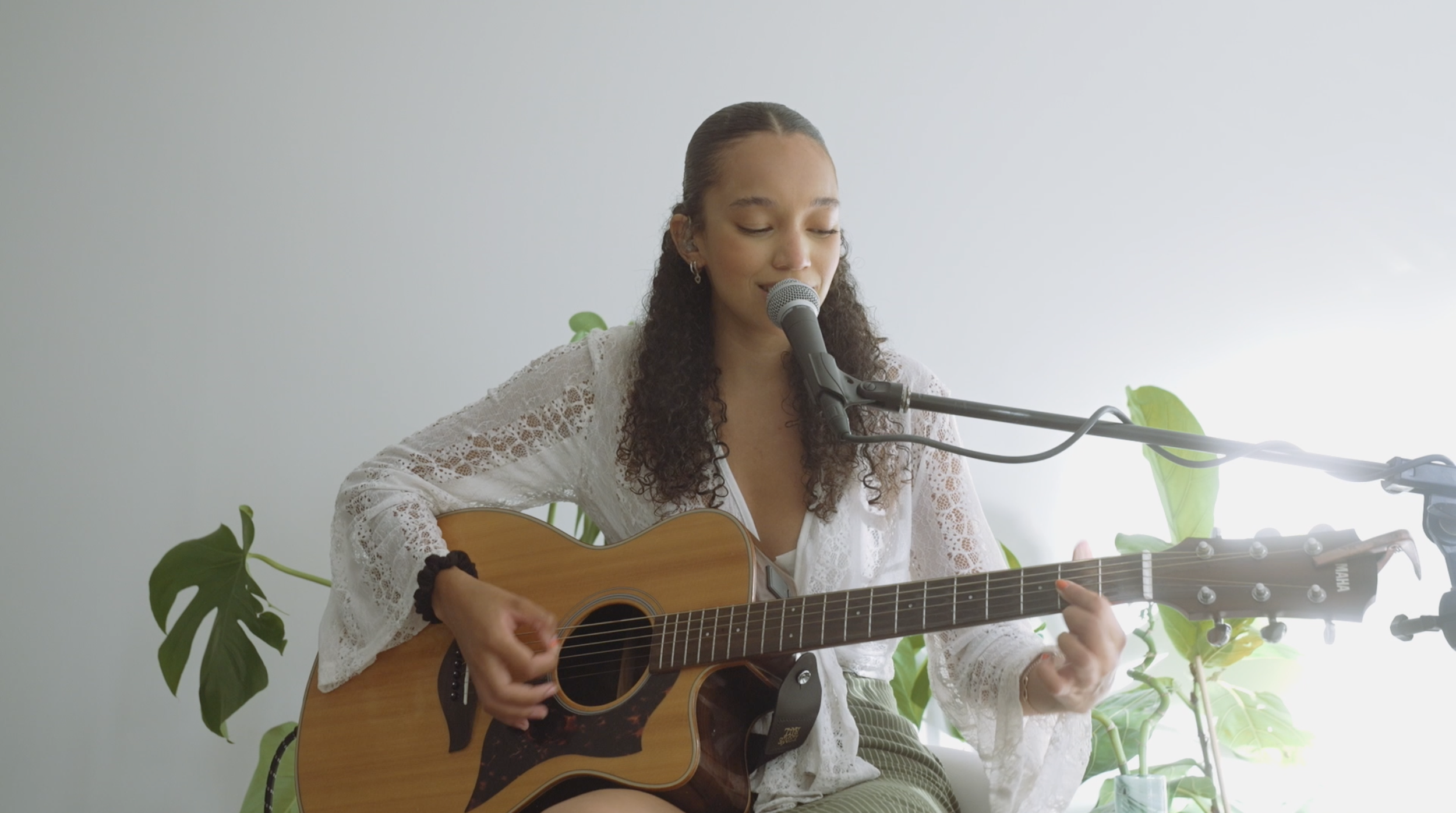
Li - High Row’s Most-Booked Solo Performer
Processional (Entrance Music): This is the big moment – the music that plays as the wedding party and the bride (or couple) walk down the aisle. You can have multiple processional songs or just one, depending on your preference. Often it goes like this: one song for the bridal party (bridesmaids, groomsmen, etc.) to enter, then a separate song for the bride’s grand entrance. Choose something meaningful that builds the emotion. Traditional picks: “Here Comes the Bride” (Wagner’s Bridal Chorus) or Pachelbel’s “Canon in D” for a classic church feel. But many couples today opt for contemporary or personal songs – for example, an instrumental of “A Thousand Years” (Christina Perri) or “Can’t Help Falling in Love”. If you have a quartet or pianist, they can play these in a classical style which sounds beautiful. If using original recordings, consider instrumental versions or ones with subtle vocals, so it doesn’t overpower the moment. Timing is important: coordinate with your musicians or sound operator to start at the right moment. You may want a certain lyric or crescendo right as you appear – practice if possible. And don’t worry about exact length; musicians can adjust on the fly (repeat a section or fade out) once everyone’s in place. (One big advantage of live ceremony music is that it can pause or extend perfectly to match your pace – they’ll conclude naturally when you reach the altar, avoiding any awkward stops.)
Interludes (During the Ceremony): Depending on your ceremony, there might be moments for music in between readings or rituals. Common spots include: lighting of a unity candle/sand ceremony, after a reading, or during the signing of the register (if you’re doing a civil ceremony where you sign documents). These are times when a gentle piece in the background maintains the atmosphere while nothing verbal is happening. For example, during a unity candle you might play an instrumental piece or have a soloist sing a short song. During signing of the register (which can last a few minutes as witnesses sign too), plan for a full song or two to entertain guests – popular choices: “Ave Maria”, “Somewhere Over the Rainbow” on strings, or an Ed Sheeran ballad softly rendered. If you know this will happen (especially in church or civil ceremonies), coordinate with musicians to have something prepared. It’s okay if the music plays longer than the action – better to have something lovely continuing than awkward silence or stopping mid-song.
(Note: If you’re having a civil ceremony in the UK, remember the rule: no religious music is allowed. That means hymns or songs referencing God/Jesus are a no-go in a secular venue. Registrars often ask to approve your music list ahead of time to ensure it’s all secular. For example, “Hallelujah” by Leonard Cohen, despite sounding religious, is usually fine since it’s not actually a worship song, but “Ave Maria” would not be allowed in a civil context. In church, of course, religious music is welcome. So choose accordingly!)
Recessional (Exit Music): Time to celebrate! The recessional is the upbeat music that plays as you walk back up the aisle as newlyweds, followed by your wedding party. This is typically more joyous and energetic than the processional. Think of it as the “yay, we did it!” song. Classics include “Wedding March” by Mendelssohn (the traditional triumphant tune), but many couples choose fun, celebratory songs here. Upbeat love songs or even quirky choices are great – some ideas: “Signed, Sealed, Delivered (I’m Yours)” by Stevie Wonder (super popular, lively mood), “All You Need Is Love”by The Beatles (especially if you like the Love Actually vibe, some even have surprise musicians pop up playing it), “Oh Happy Day” (if you had a gospel choir, this is their moment to shine), or even instrumental themes like “Throne Room Theme” from Star Wars for the nerdy-chic couple! The key is something happy and fairly brisk, since the wedding party will process out fairly quickly. A live band or ensemble can really kick up the energy here – imagine a trumpet fanfare or joyous strings. If recorded, just ensure it’s cued to start right as you kiss or are introduced, so there’s a seamless burst of music to lead the cheering and clapping. This song often continues as guests file out, so let it play out fully.
Postlude: After you and the bridal party have exited, there’s usually some music as guests are leaving the ceremony area. This is similar to the prelude – background music to accompany people as they chat and depart. You can use the same playlist as the prelude or have a few additional light songs. Often, people are buzzing and talking at this point, so the music can be just a pleasant backdrop. If you hired musicians for prelude, usually they’ll continue a song or two post-ceremony while guests move along to the next location.
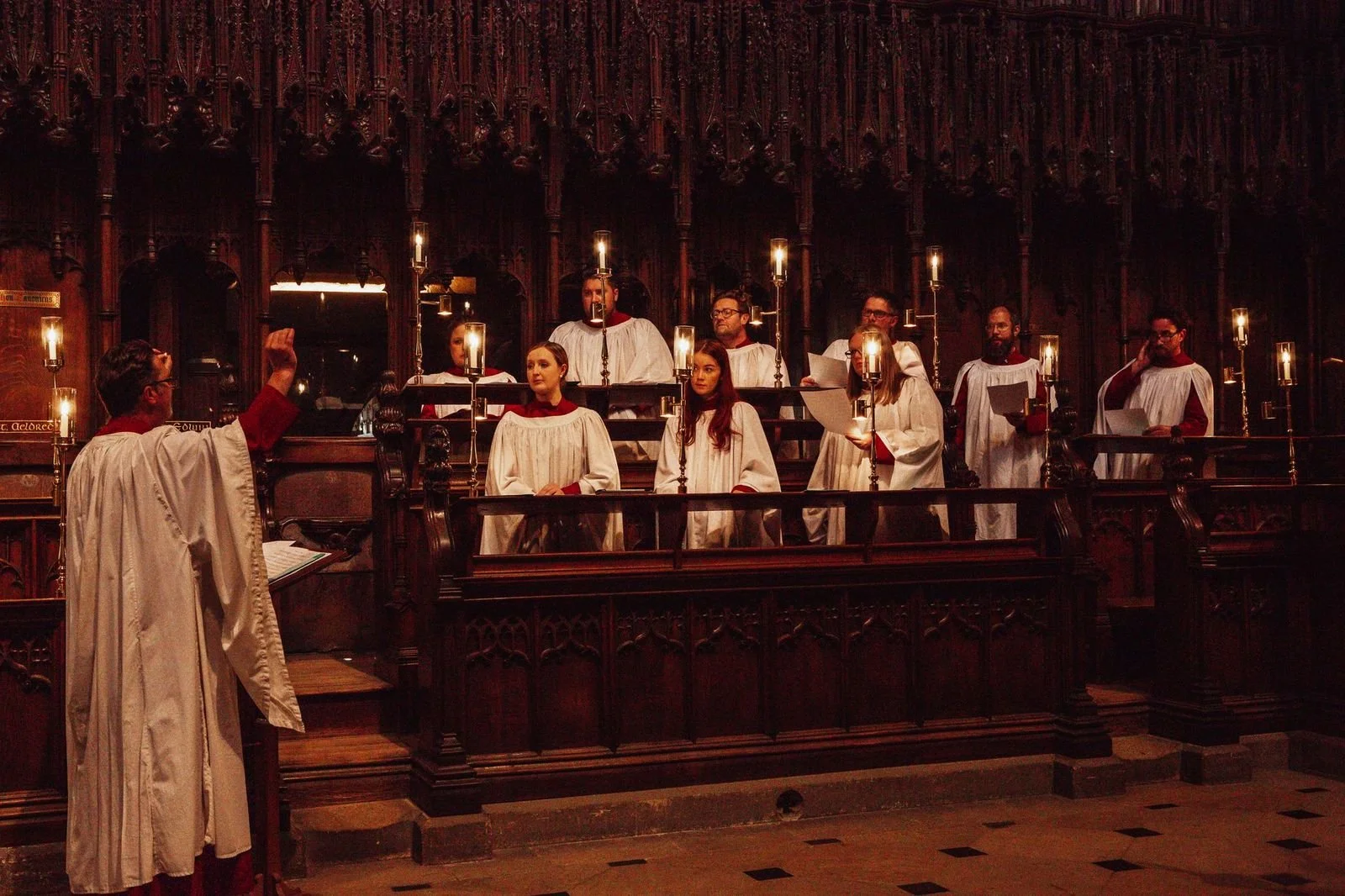
The High Row Choir - Our Most-Booked Ceremonial Act
Choosing the Songs: It can feel overwhelming to choose multiple pieces of music. Here’s a strategy: focus on processional and recessional first – those are the big bookends. Pick songs that are meaningful to you and fit the mood (slow and romantic for processional, upbeat and triumphant for recessional). Then, fill in potential interlude music (maybe one favorite love song as a live instrumental during signing). Don’t overthink the prelude/postlude – giving a style (classical or acoustic covers, for example) is enough; you don’t need to micromanage every song there unless you want to. If working with professional musicians, trust their repertoire – they do this all the time and can help suggest pieces that flow well.
Live or Recorded?: Live music (quartet, pianist, etc.) adds a beautiful ambiance and the benefit of flexibility in timing. They’ll often have a standard set of ceremony pieces to suggest if you’re unsure. Recorded music gives you the exactsong versions you love and is budget-friendly (just ensure someone is assigned to press play/pause at the right moments and that the venue has a good sound system). Some couples even do a hybrid: e.g., a live string quartet for prelude and processional, then a special recorded song with lyrics for the signing or recessional because it’s very meaningful. That’s totally okay too.
Volume and Mood: Ceremony music should generally be at a comfortable volume – loud enough to be heard, soft enough to be background during speaking parts. For live musicians, they’ll know to lower volume during vows or readings if they’re playing softly underneath (some couples have instrumentals under vows, but most prefer silence for those moments). For any recorded tracks, have a person controlling volume to fade it out when needed (like right when the bride arrives at the altar, fade the processional song nicely).
The No-Music Moments: Typically, no music during the actual exchanging of vows, ring exchange, or any significant spoken ritual – you want everyone to hear those words. So plan music to stop or be very faint at those points. For instance, a string quartet might conclude the processional piece once the bride is at the altar, then silence through welcome and vows, maybe a faint piece during a unity candle (if you do one), etc.
Personalize It: Above all, choose music that resonates with you. If that means walking down the aisle to an orchestral version of a song from your favorite film or video game, do it! (Plenty of people use, say, “Concerning Hobbits” from Lord of the Rings or the Jurassic Park theme on piano – and it’s awesome.) If you and your partner have a special song that’s too upbeat for a first dance, maybe it works as a recessional. Or if you want to honor your heritage, include a traditional hymn or instrumental from your culture during the prelude or signing. Those choices will make your ceremony feel uniquely yours.
Quick Checklist of Ceremony Music Needs:
Prelude – background music while guests arrive (15-30 min worth).
Processional – entrance music (bridal party + bride).
Possible Mid-Ceremony – unity ceremony song, background during signing of register, etc., if needed.
Recessional – exit music for you and wedding party.
Postlude – background music as guests exit (optional).
With this roadmap, you’re well on your way to planning ceremony music like a pro. Talk through it with your musicians or whoever’s handling sound. Do a little test listen of your top song picks and imagine them in those moments – if it gives you happy goosebumps or brings a tear to your eye, you’ve probably found the one (the song, that is!).
On the day, take a second to soak in the music during the ceremony – these melodies will forever be tied to the moment you said “I do.” Having them thoughtfully chosen will make your ceremony feel like a beautiful, orchestrated tapestry of your love story.
(Source: Keep in mind civil ceremony rules – registrars will vet your song choices to ensure they’re secular, so save the hymns for church weddings. Also, live musicians can perfectly time songs to your procession pace by utilizing the venue’s acoustics.)